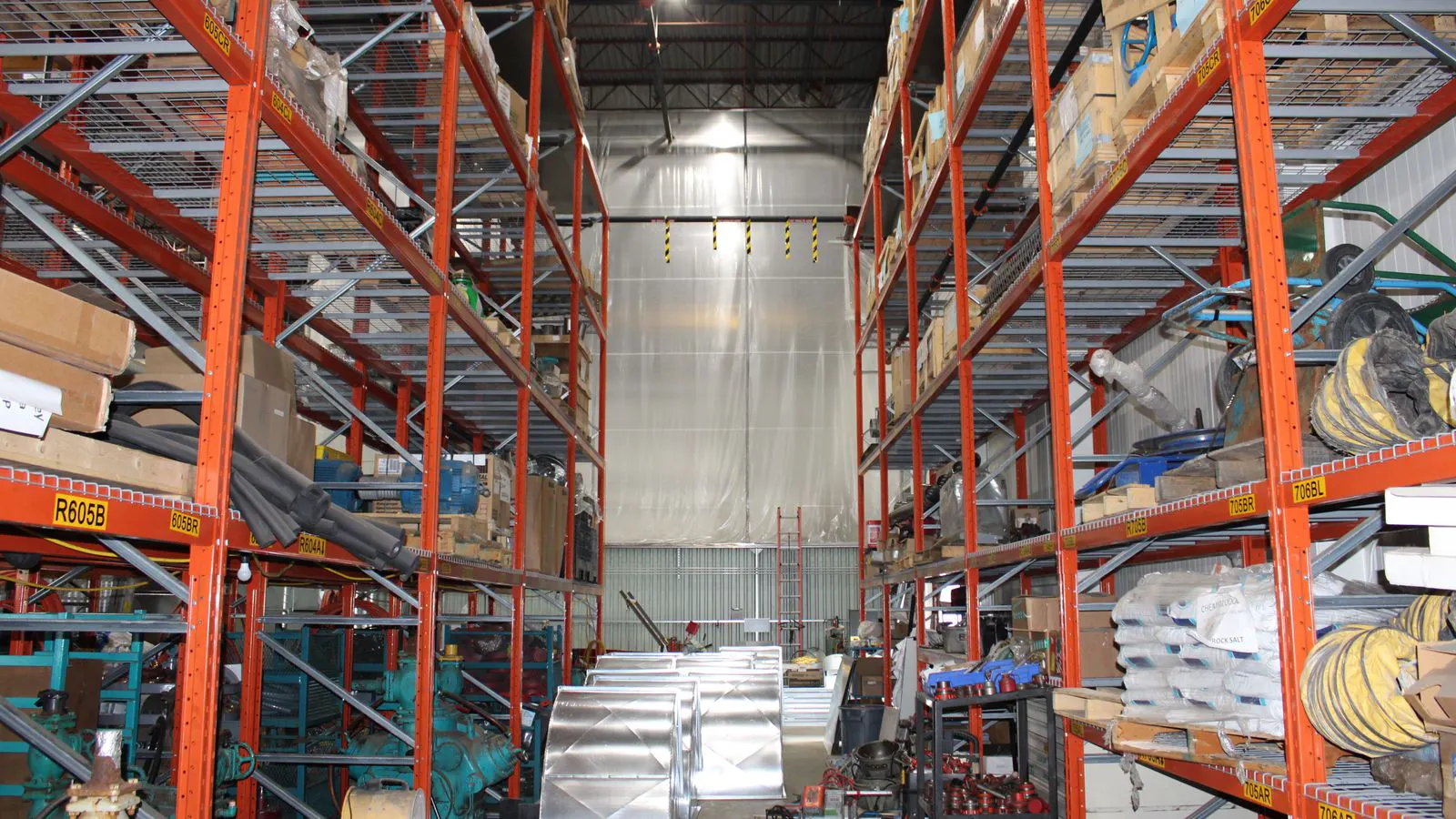
Outlook for Battery Storage in Commercial Facilities
Commercial storage adoption is accelerating as costs stabilize and utility rates change. This outlook identifies five shifts buyers should plan for, including grid interconnection delays, software integration needs, and the move from simple arbitrage to reliability services.
- Interconnection queues are longer, requiring earlier engagement with utilities.
- Software and integration now drive value as much as hardware.
- Reliability and demand charge management are growing revenue streams.
- Residual value and second-life planning affect total cost of ownership.
The commercial battery storage market is moving from early experimentation to routine infrastructure planning. Facilities in retail, manufacturing, logistics, and office sectors are treating storage systems less like speculative assets and more like core utility management tools. This shift is driven by several converging factors, including fluctuating electricity rates, stricter grid reliability requirements, and the maturing supply chain for lithium-ion components.
For buyers and engineers, this means the planning horizon has changed. The question is no longer just whether a system will pay back, but how it will perform over a decade of evolving grid conditions, maintenance schedules, and software requirements.
What is driving the current C&I trends?
The most visible driver remains electricity price volatility. As utilities restructure rate structures to recover grid costs and incentivize demand reduction, the economics of peak shaving and energy arbitrage have become more complex. A system that might have saved money through simple time-of-use arbitrage in previous years may now need to handle demand charge management, ancillary services, or multiple revenue streams to hit its targets.
This complexity pushes buyers toward systems with better software control and more flexible hardware configurations. The hardware itself is becoming more commoditized, with similar cycle life and efficiency metrics across many vendors. The differentiating factor is often the management layer. How the system handles multiple utility signals, how it integrates with building automation, and how it adapts to rate changes over time.
Grid reliability concerns are also pushing storage into the mainstream. Commercial facilities with sensitive operations, such as data centers, electronics manufacturing, or cold chain logistics, face higher downtime costs. Battery storage provides a bridge between grid outages and generator startup, reducing the risk of production loss or spoilage. This reliability angle is becoming a standard line item in facility risk assessments.
How are future demand signals shaping adoption?
Future demand for commercial storage is not uniform across all sectors. Facilities with high and predictable load profiles, like distribution centers and manufacturing plants, are leading adoption. Their energy use patterns are well understood, making it easier to model system size and revenue potential.
Smaller commercial buildings, such as multi-tenant offices or retail strips, are entering the market more gradually. For these facilities, the business case often depends on shared or third-party ownership models. The owner may not want the capital outlay, and the tenant may not have the incentive to manage grid signals. This creates a niche for asset managers or specialized developers who can aggregate multiple small sites into a single storage project.
Regulatory signals are also shaping demand. Many jurisdictions are moving toward renewable energy mandates or decarbonization targets that apply to commercial buildings. While these rules often focus on generation, they indirectly favor storage by making grid integration of renewables smoother. Facilities that install storage can better manage the variable output of rooftop solar or nearby wind resources, reducing the need for curtailment.
What cost shifts should buyers plan for?
The total cost of ownership for commercial storage is changing in ways that differ from early market assumptions. Hardware costs have stabilized, but the focus is shifting toward integration, commissioning, and long-term maintenance. A system that looks cheap on a per-kilowatt-hour basis may have hidden costs in software licensing, utility interconnection fees, or frequent component replacement.
Integration costs are often underestimated. Connecting a storage system to a building management system, a power quality monitor, or a utility SCADA network requires engineering time and testing. Poor integration can lead to suboptimal performance, where the system does not respond correctly to grid signals or fails to capture its full revenue potential.
Maintenance and degradation are also becoming more scrutinized. Battery packs degrade unevenly, and a single weak cell can limit the usable capacity of an entire string. Buyers are increasingly asking about monitoring granularity, warranty terms for performance rather than just lifespan, and the process for replacing modules. The cost of a degraded system can erode returns if not managed properly.
Interconnection fees and queue costs are a major factor. In many regions, the process to get a commercial storage system connected to the grid can take months or longer. During this time, the facility cannot benefit from the system, and it may face additional grid upgrades. Planning for this delay is critical to avoiding missed revenue opportunities.
How is the interconnection process changing?
Interconnection is often the most frustrating part of the commercial storage rollout. Utilities are receiving more applications than they can process, and grid capacity constraints are slowing down approvals. Facilities in high-growth areas or near new transmission lines face the longest queues.
This has led to a shift in planning timelines. Buyers who start the interconnection process early, often before finalizing system design, gain a significant advantage. Early engagement allows the utility to identify any grid issues, such as transformer capacity limits or voltage regulation problems, that need to be addressed. It also helps the facility understand the expected timeline and budget for any required grid upgrades.
Some utilities are now offering expedited processes for certain storage sizes or configurations. These programs may require the facility to commit to specific performance levels or to participate in grid services. While these programs can speed up approval, they may also limit the flexibility of the system design.
The interconnection process is also becoming more transparent. Many utilities are publishing queue positions and expected timelines, which helps facilities make more informed decisions about when to proceed. However, this transparency does not eliminate uncertainty. Grid conditions can change, and new regulations can alter the process.
What software and integration features matter most?
The management software is the brain of a commercial storage system. It decides when to charge, when to discharge, and how to respond to grid signals. As the market matures, the difference between systems is often in the software’s ability to handle complex, multi-objective optimization.
Key features buyers should look for include:
- Real-time integration with utility rate structures and demand charge signals.
- Predictive modeling of load and renewable generation.
- Granular performance monitoring with alerts for degradation.
- Support for multiple revenue streams, such as arbitrage, demand response, and ancillary services.
- Remote monitoring and firmware updates.
The software also needs to be robust. A system that crashes during a grid event or fails to respond to a demand charge signal can cost the facility money. Buyers should ask about the vendor’s track record with similar facilities and the level of support provided during commissioning and operation.
Integration with existing building systems is another critical factor. The storage system should communicate with the building management system, power quality monitors, and any solar inverter. This allows for coordinated control, where the building’s load, generation, and storage work together to optimize performance. Poor integration can lead to conflicts, where the storage system and the building system give conflicting commands, reducing efficiency.
How should facilities prepare for the next phase of adoption?
Preparation for the next phase of commercial storage adoption involves more than just selecting a vendor. It requires a holistic approach that includes utility engagement, system design, software selection, and long-term maintenance planning.
Facilities should start by mapping their energy profile. This includes understanding their load patterns, peak demand, time-of-use rates, and any renewable generation. This data will inform the system size and design. It will also help identify the most valuable revenue streams for the facility.
Engaging with the utility early is critical. The utility can provide information on interconnection requirements, grid upgrades, and available grid services. It can also help identify any local regulations or incentives that may apply.
When selecting a system, focus on total cost of ownership, not just upfront cost. This includes hardware, software, integration, commissioning, maintenance, and residual value. A system with a lower upfront cost but higher operating costs may not be the best choice.
Finally, plan for the long term. Battery storage systems are long-lived assets, but their performance will change over time. Facilities should have a plan for degradation management, software updates, and potential retrofitting. They should also consider the end-of-life options, including recycling or second-life applications.
Summary of key shifts
The commercial storage market is moving toward more complex, integrated, and long-term planning. Buyers who understand these shifts will be better positioned to capture value from their investments.
The key shifts are:
| Shift | What it means for buyers |
|---|---|
| Interconnection delays | Start the process early and budget for grid upgrades |
| Software integration | Prioritize management software and building system integration |
| Multi-revenue models | Design for arbitrage, demand response, and reliability services |
| Maintenance focus | Monitor degradation and plan for module replacement |
| Long-term planning | Consider end-of-life options and retrofitting potential |
The commercial storage outlook is favorable, but it requires careful planning and a long-term perspective. Facilities that treat storage as a core utility management tool, rather than a speculative asset, will be best positioned to succeed.
Frequently asked questions
How long does it take to get a commercial storage system interconnected?
Interconnection times vary by utility and grid conditions, but they can range from a few months to over a year. Starting the process early is recommended.
What is the typical lifespan of a commercial battery storage system?
Most commercial systems are designed for a lifespan of ten to fifteen years, depending on the chemistry, usage patterns, and maintenance.
Can commercial storage systems be used for backup power?
Yes, many systems can provide bridge power during outages. The duration depends on the system size and the facility's load.
What are the main software features to look for?
Look for real-time rate integration, predictive modeling, granular monitoring, and support for multiple revenue streams.
How does degradation affect the economics of a storage system?
Degradation reduces usable capacity over time, which can lower revenue. Monitoring and maintenance are essential to manage this.