
Choosing a Supplier
Explainer: What is a Battery Management System (BMS) in BESS?
A battery management system is the control layer that monitors cell voltage, temperature, and state of charge. It prevents overcharge and over-discharge, balances cells
Nov 20, 2026 · 7 min read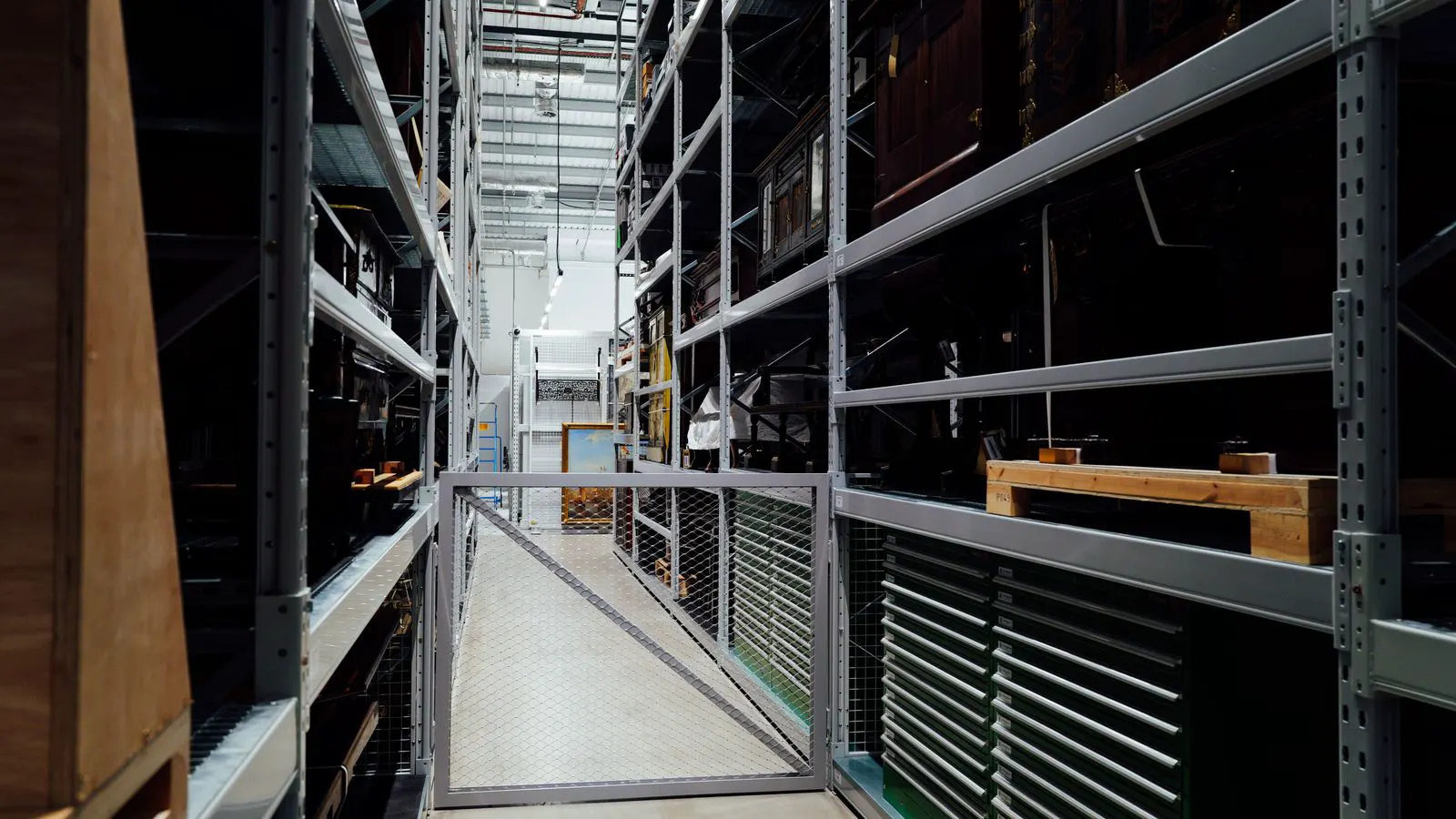
Choosing a Supplier
Comparison: LFP vs. LTO for Industrial Battery Storage Needs
Engineers must weigh LFP against LTO based on specific industrial storage needs. LFP offers higher energy density and lower cost for long-duration storage, while LTO
Nov 17, 2026 · 11 min read
Choosing a Supplier
Checklist for Verifying Battery Cell Warranty Transferability
Buyers must confirm cell warranty terms in writing before system ownership changes. This audit checklist verifies that supplier agreements define transfer rights
Oct 29, 2026 · 8 min read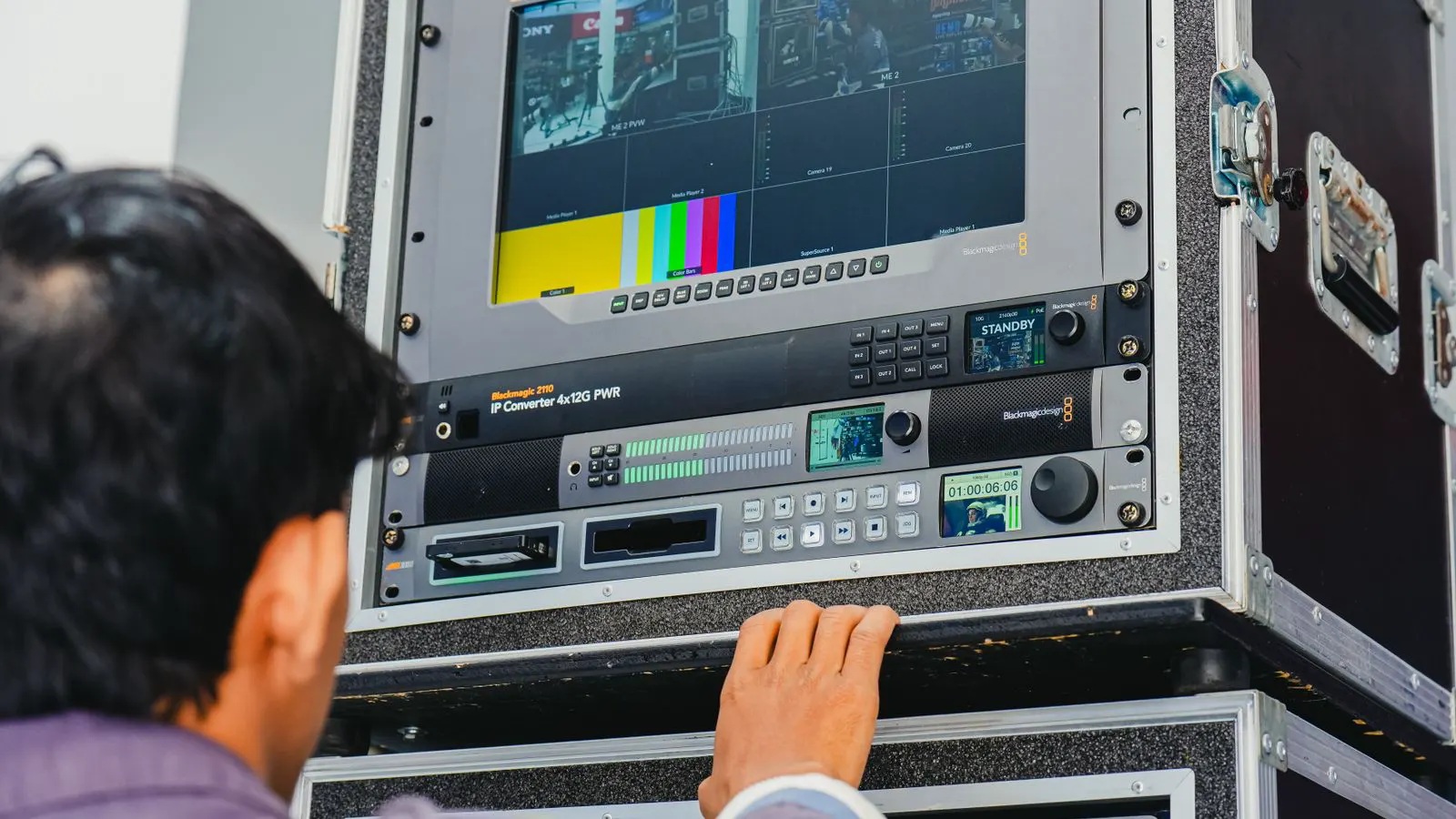
Choosing a Supplier
Outlook: The Impact of Grid Standards on Future Storage Procurement
Grid regulations are moving from simple interconnection rules to detailed performance and data requirements. Procurement managers must plan for stricter compliance
Oct 26, 2026 · 6 min read
Choosing a Supplier
How to Evaluate Battery Suppliers for Long-Term Software Support
Assessing supplier software support requires verifying firmware update protocols, API access, and data ownership. Buyers must confirm the vendor can patch security flaws
Oct 17, 2026 · 7 min read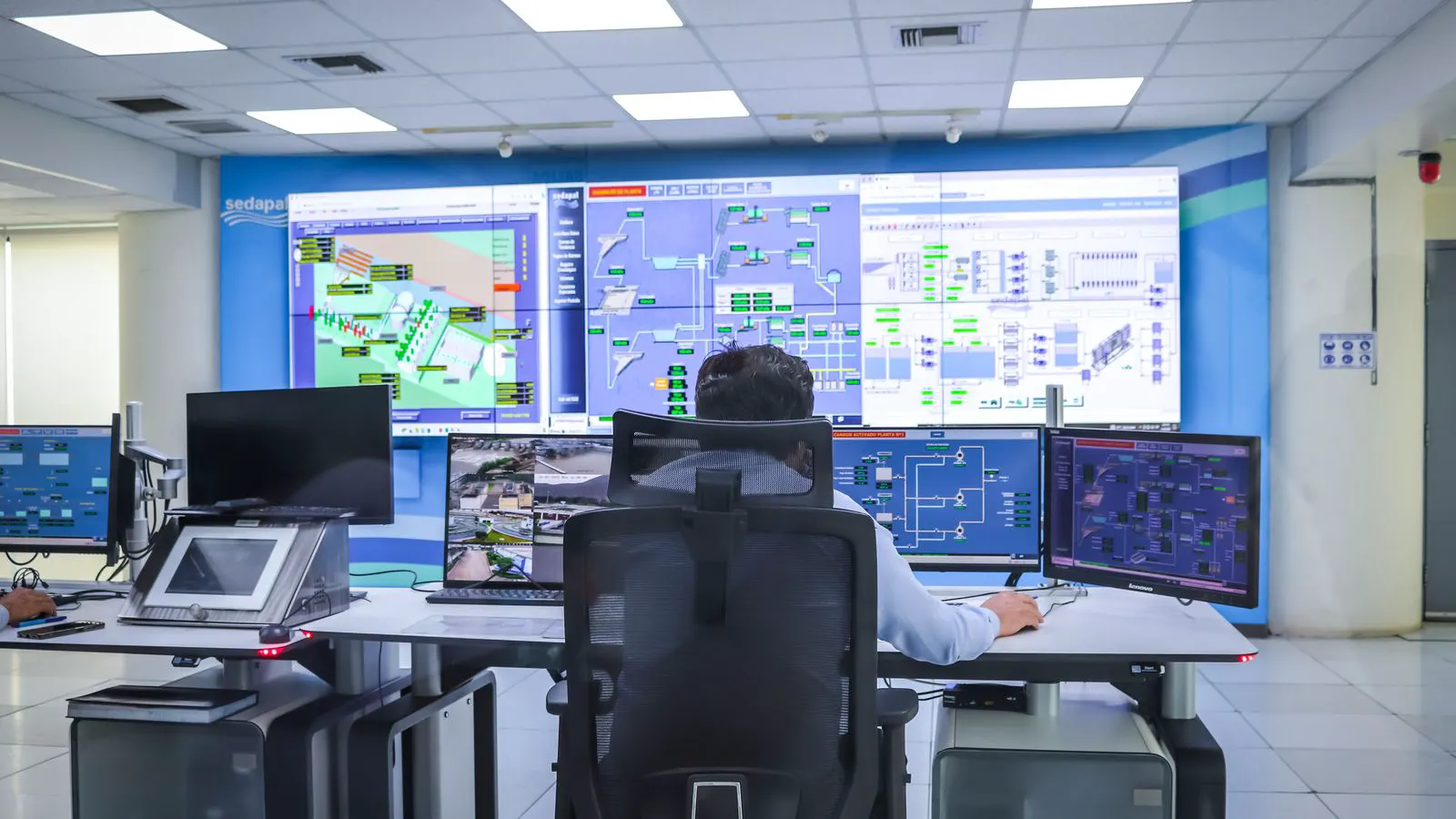
Choosing a Supplier
Troubleshooting: Why Battery Systems Report False SOC Drift
SOC drift appears when state of charge readings diverge from actual capacity. Common causes include sensor degradation, thermal variance, and BMS calibration errors.
Oct 6, 2026 · 8 min read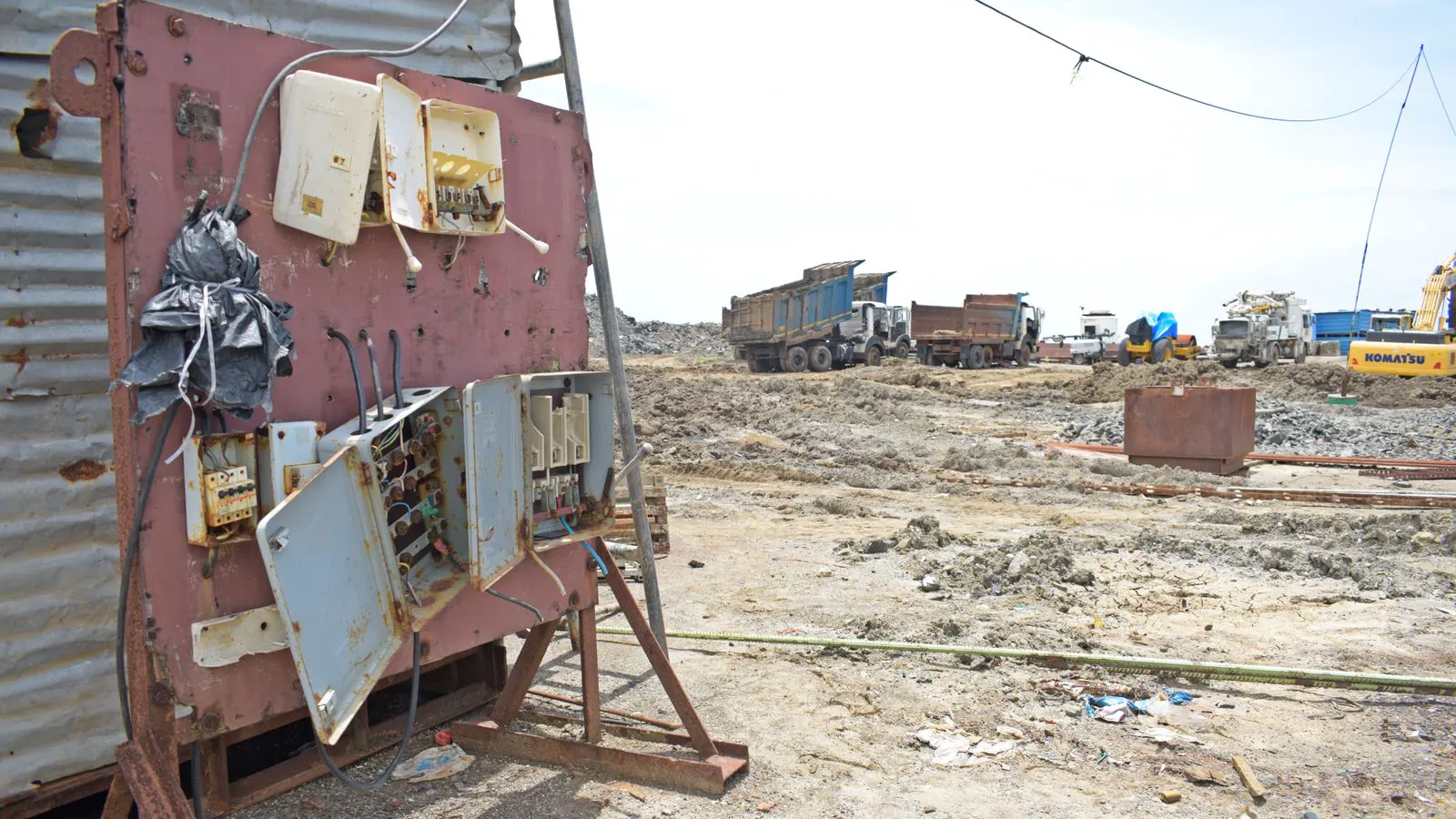
Choosing a Supplier
BESS Procurement: Hidden Costs of Site Preparation and Interconnection
BESS procurement extends beyond battery units. Site preparation and grid interconnection fees significantly alter total capital expenditure. This guide breaks down those
Oct 6, 2026 · 6 min read