
Residential Storage
Explainer: How Residential Battery Management Systems Work
A battery management system monitors voltage, temperature, and current to keep cells balanced and safe. It controls charging and discharging to extend life and ensure
Guides on home battery systems, backup power, and energy management for residential users.
A battery management system monitors voltage, temperature, and current to keep cells balanced and safe. It controls charging and discharging to extend life and ensure

This guide provides a step-by-step verification list for contractors and homeowners to ensure all local codes and safety requirements are met before energizing a

To select a residential battery system, evaluate total usable capacity, safety certifications, inverter compatibility, and software integration. Buyers should match
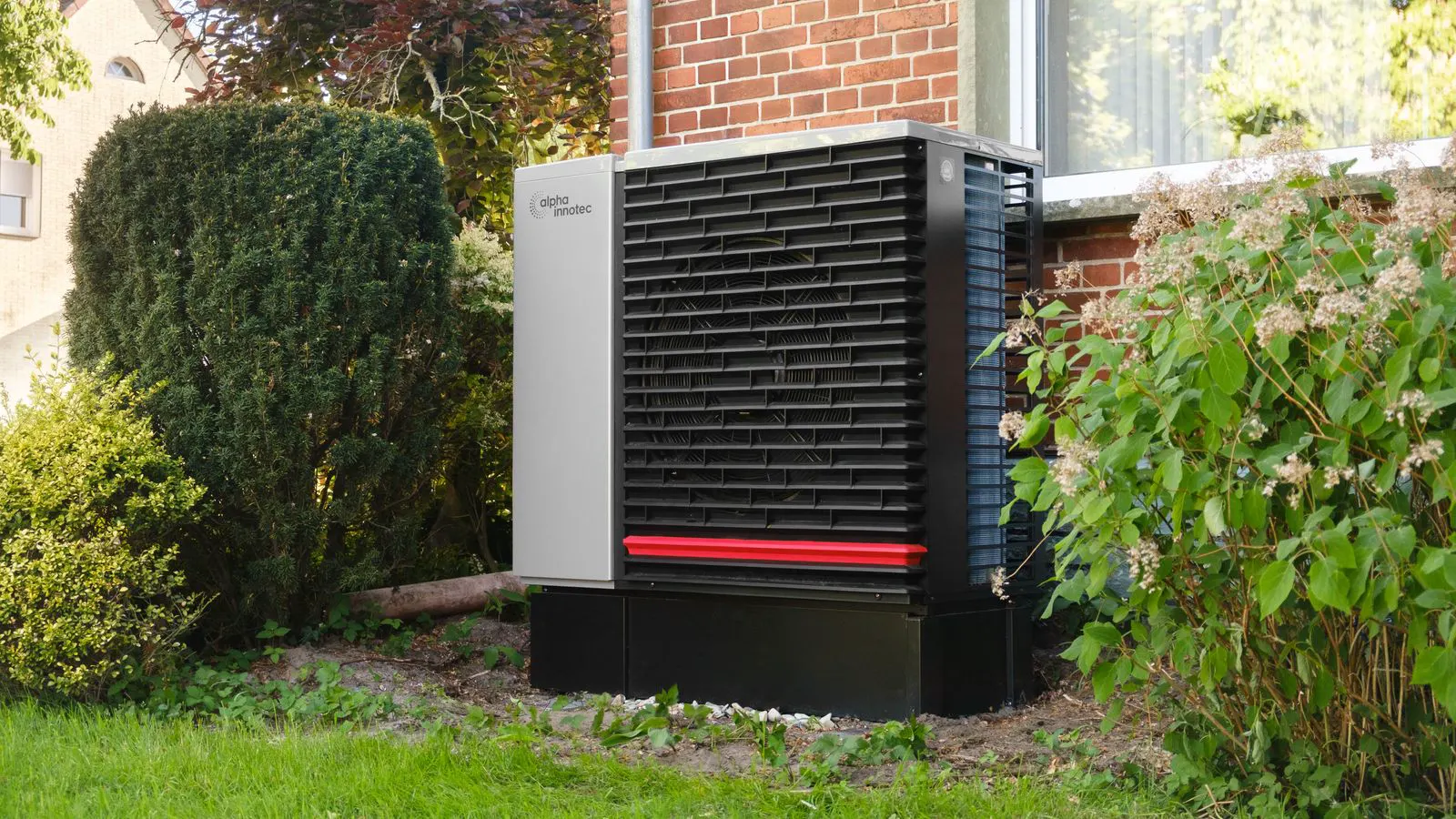
Strategic buyers must plan for shifts in residential battery storage technology, including solid-state cells, flow systems, and hybrid architectures. This outlook
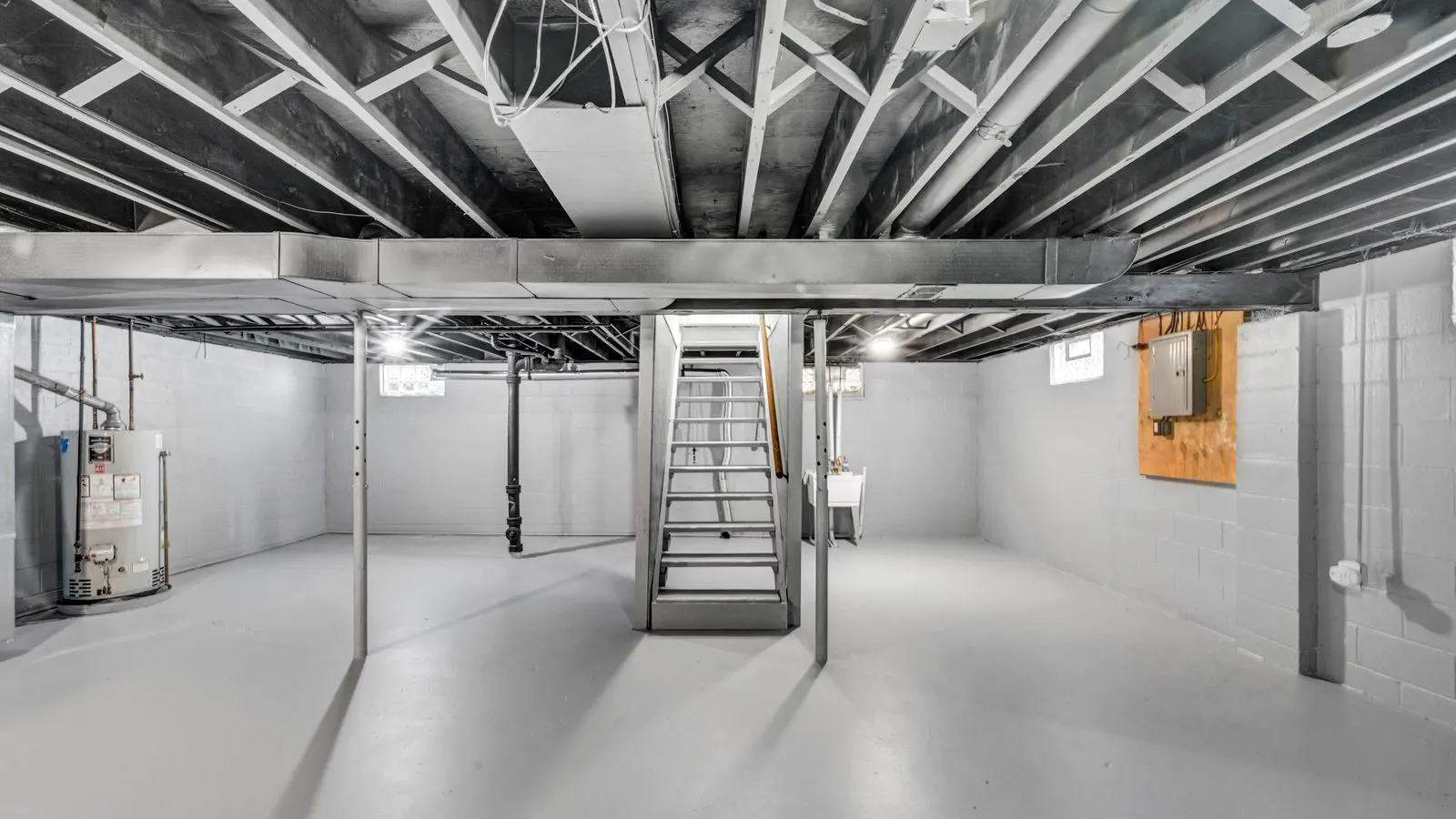
Configure home energy storage systems for peak shaving by matching charge and discharge windows to off-peak and on-peak tariff blocks. Set battery limits to avoid full

Residential battery install costs depend on capacity, site conditions, and local labor rates. Lead times vary by supply chain and permitting. This guide breaks down

When a home battery does not engage or supply insufficient load, the issue usually involves inverter settings, breaker trips, or low state of charge. This guide lists

Lithium batteries dominate residential storage due to higher efficiency and longer cycle life, while lead acid offers a lower entry cost. The right choice depends on