Lithium vs Lead Acid: Commercial Backup Comparison

Lithium batteries outperform lead acid in cycle life, energy density, and efficiency for commercial backup. Lead acid remains a lower upfront cost option for low-discharge applications. The best choice depends on your specific discharge frequency, site constraints, and total cost of ownership.
- Lithium batteries offer significantly longer cycle life and higher round-trip efficiency than lead acid systems.
- Lead acid systems have lower upfront capital costs but higher long-term maintenance and replacement expenses.
- Space constraints, fire safety codes, and ventilation requirements differ between the two technologies.
- Total cost of ownership often favors lithium for facilities with frequent backup discharge cycles.
- Site-specific factors like temperature control and maintenance staff availability should drive the final decision.
Why the comparison matters for commercial backup
Commercial facilities rely on backup power to keep critical loads running during grid outages. The choice between lithium and lead acid storage shapes capital spending, maintenance planning, and facility design. This comparison focuses on how each technology performs in real backup applications, not just the sticker price.
Facility managers evaluate backup systems based on three core factors. First, how often the batteries actually discharge. Second, the physical space and electrical constraints at the site. Third, the total cost over the system lifetime, not just the initial purchase.
Lead acid batteries have served commercial backup for decades. They remain a standard in many existing installations. Lithium-ion technology has matured enough to challenge that status, particularly in new builds and major retrofits.
How the two technologies differ in performance
Lithium and lead acid batteries operate on different electrochemistry. Lead acid relies on lead dioxide and sulfuric acid. Lithium-ion uses lithium compounds between the anode and cathode. These differences show up in practical ways.
Energy density is the first distinction. Lithium systems store more power in the same physical footprint. A commercial facility with limited space in the mechanical room can install a lithium system that delivers the same runtime as a much larger lead acid bank. This matters when the backup room is already crowded with transformers, switchgear, or HVAC equipment.
Cycle life is the second major difference. Lead acid batteries typically endure fewer discharge cycles before capacity degrades. A standard lead acid system might reach end-of-life after a few hundred deep cycles. Lithium systems handle thousands of cycles with far less capacity loss. For backup applications, this means lithium can survive frequent partial discharges without needing a full replacement.
Round-trip efficiency is the third factor. Lithium systems convert stored energy to usable power with less loss. Lead acid systems lose more energy during discharge and recharge. In a backup context, this efficiency gap affects how much energy you actually get from each stored kilowatt-hour.
Temperature sensitivity also plays a role. Lead acid batteries perform poorly in cold conditions. They may not deliver full capacity in winter outages unless heated. Lithium systems handle a wider temperature range, though extreme heat still degrades lifespan.
Cost structure and total cost of ownership
The upfront cost of lithium systems is higher than lead acid. This is the most common reason facilities stick with the older technology. But the capital comparison tells only part of the story.
Lead acid systems have lower purchase prices. The batteries themselves are cheaper, and the associated equipment can be less expensive. A facility manager looking at a tight budget may see lead acid as the only viable option.
Maintenance costs shift the picture over time. Lead acid batteries require regular inspection of water levels, terminal connections, and voltage balance. They need charging system maintenance and, in some cases, battery replacement on a rotating basis. Lithium systems have fewer moving parts and require less hands-on maintenance. The battery management system handles balancing and monitoring automatically.
Replacement cycles matter most when calculating lifetime cost. If a lead acid bank needs replacement every five to seven years, the cumulative cost can approach or exceed a lithium system that lasts a decade or more. For facilities that discharge their backup regularly, the lead acid replacement frequency increases even faster.
There are also hidden costs. Lead acid batteries are heavy. The structural reinforcement needed for the battery room floor, the lifting equipment for maintenance, and the transport logistics all add expense. Lithium systems are lighter, which reduces these ancillary costs.
Sizing and electrical integration
Sizing a backup system requires understanding the load profile. Commercial facilities have different critical loads. A hospital needs longer runtime than an office building. A data center has different power demands than a manufacturing plant.
Lead acid batteries have a different discharge curve than lithium. They lose capacity more quickly at high discharge rates. When sizing a lead acid system, engineers often need to oversize the bank to achieve the same runtime as a smaller lithium system. This affects the number of battery strings, the space required, and the inverter or converter capacity.
Lithium systems can be sized more precisely to the actual load profile. This precision can reduce the total installed capacity, which lowers both capital and operational costs. The battery management system also allows for better integration with existing electrical infrastructure.
Grid connection and utility requirements affect both technologies. Some utilities have specific rules about backup battery installations. The electrical code compliance process may differ based on the technology chosen. Facilities should engage their electrical engineer and local code officials early in the process.
Space, safety, and facility constraints
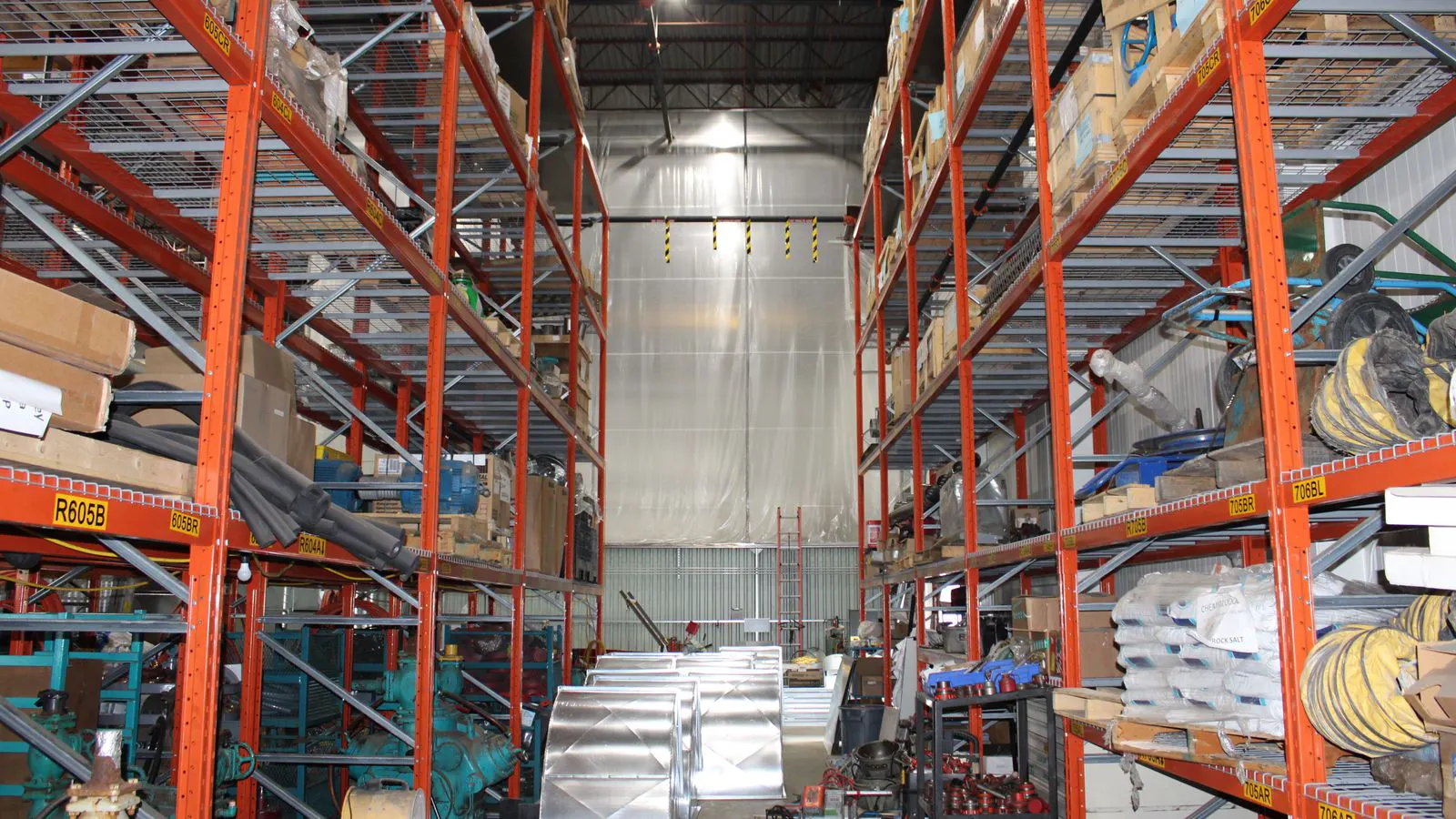
The physical installation is often the deciding factor for commercial facilities. Space is rarely free in a commercial building. Every square foot in the mechanical room or basement has a cost and a purpose.
Lead acid batteries are heavy and require substantial floor space. They also generate heat during operation and charging. The battery room needs ventilation to remove hydrogen gas from the charging process. This adds mechanical and electrical costs to the installation.
Lithium systems are more compact. They can be installed in smaller footprints, which is valuable in facilities where space is limited. The safety profile differs too. Lithium systems require careful fire protection planning. Facilities must consider thermal runaway risks and implement appropriate fire suppression systems.
Local building codes and fire regulations vary by jurisdiction. Some areas have stricter requirements for lithium installations due to fire concerns. Others may have more permissive standards. The compliance process can be longer and more expensive for lithium in some locations.
Facility staff capability matters. Lead acid batteries are simpler to work on but require physical handling. Lithium systems are lighter but require understanding of the battery management system and software monitoring. Facilities with experienced electrical staff may prefer one technology over the other based on their team expertise.
When to choose each technology
The table below summarizes the key trade-offs for commercial backup applications.
| Option | Best for | Limitations |
|---|---|---|
| Lithium backup | Facilities with limited space, high cycle frequency, long service life requirements | Higher upfront cost, fire safety planning required, thermal management considerations |
| Lead acid backup | Budget-constrained projects, low discharge frequency, existing facilities with established maintenance | Higher lifetime cost, larger footprint, shorter cycle life, temperature sensitivity |
| Hybrid approach | Facilities that want lithium for primary backup and lead acid for secondary loads | Complex integration, two systems to maintain, higher initial complexity |
Choose lithium backup when space is constrained or when the facility discharges its backup frequently. Hospitals, data centers, and industrial facilities with critical processes benefit from the longer cycle life and higher efficiency. The higher upfront cost is often justified by lower lifetime maintenance and longer service intervals.
Choose lead acid backup when the budget is tight and the facility has sufficient space. Retail buildings with occasional outages, small commercial offices, and facilities with established maintenance teams may find lead acid adequate. The lower initial cost and simpler technology make it a viable option for these applications.
A hybrid approach works in some cases. A facility might install a lithium system for its most critical loads and use lead acid for less sensitive equipment. This balances cost and performance. It adds complexity, though. Two different battery chemistries mean two different maintenance schedules, two different spare parts inventories, and two different monitoring systems.
The decision should not be based on technology alone. Site conditions, utility requirements, and facility planning all matter. A thorough evaluation of the specific application will reveal the right choice.
Maintenance and end-of-life considerations
Lead acid batteries have a well-understood maintenance routine. Operators check water levels, clean terminals, and balance the charge. They are also easier to handle during replacement. The batteries are heavy, though, and require proper lifting equipment.
Lithium systems require different maintenance. The battery management system handles most of the monitoring and balancing. Physical maintenance is limited to connections, cooling systems, and fire protection equipment. The software interface allows operators to track performance and plan replacements based on actual data.
End-of-life handling differs too. Lead acid batteries contain lead and sulfuric acid, which require proper disposal and recycling. Lithium batteries also need proper disposal, but the recycling infrastructure is still developing in many regions. Facilities should plan for end-of-life from the start and budget for disposal costs.
The battery management system data becomes valuable at end-of-life. Performance records help determine whether the batteries can be repurposed for other applications or whether they need full recycling. This data also supports warranty claims and insurance documentation.
Final considerations for the buying decision
The choice between lithium and lead acid backup is not a simple price comparison. It involves multiple factors that interact in complex ways. Facility managers should evaluate their specific needs before committing to a technology.
Start with the load profile. How often does the backup discharge? What is the required runtime? What are the critical loads? These answers determine the sizing and performance requirements.
Next, evaluate the site constraints. How much space is available? What are the fire code requirements? What is the temperature environment? What is the existing electrical infrastructure? These factors limit the feasible options.
Then, build a lifetime cost model. Include purchase price, installation, maintenance, energy costs, replacement cycles, and disposal. Compare the total over a ten to fifteen year period. This gives a clearer picture than comparing sticker prices.
Engage the right professionals. An electrical engineer can model the system performance. A fire safety consultant can review the compliance requirements. A financial analyst can build the lifetime cost model. The team approach reduces risk and identifies the best fit for the facility.
The technology has evolved enough that lithium is no longer an exotic option. It is a mature choice for many commercial backup applications. Lead acid remains a valid option for specific scenarios. The right answer depends on the facility, not on a single technology.
Frequently asked questions
Is lithium always more expensive than lead acid for commercial backup?
Lithium systems have higher upfront costs than lead acid. However, the total lifetime cost can be lower due to longer service life, less maintenance, and higher efficiency. The comparison depends on the specific application and site conditions.
Can I replace my existing lead acid backup with a lithium system?
Retrofitting is possible but requires careful planning. The new lithium system may have different physical dimensions, electrical connections, and fire safety requirements. An engineering assessment is needed to determine if a direct replacement is feasible or if modifications are required.
How does temperature affect lithium backup performance compared to lead acid?
Lead acid batteries are more sensitive to cold temperatures and may not deliver full capacity in winter. Lithium systems handle a wider temperature range but are affected by extreme heat. Both technologies benefit from temperature-controlled environments for optimal performance.
What fire safety measures are needed for lithium backup installations?
Lithium systems require specific fire protection planning. This typically includes fire detection and suppression systems designed for battery thermal events. Local fire codes and building regulations determine the exact requirements. A fire safety consultant should review the installation.
How long does a lithium backup system last compared to lead acid?
Lithium systems generally have longer service life than lead acid. A lead acid bank may need replacement every five to seven years depending on usage. Lithium systems can often last ten years or more with proper maintenance and operating conditions. The exact lifespan depends on discharge cycles, temperature, and system quality.