How Battery Power Conversion Systems Convert DC Energy to AC
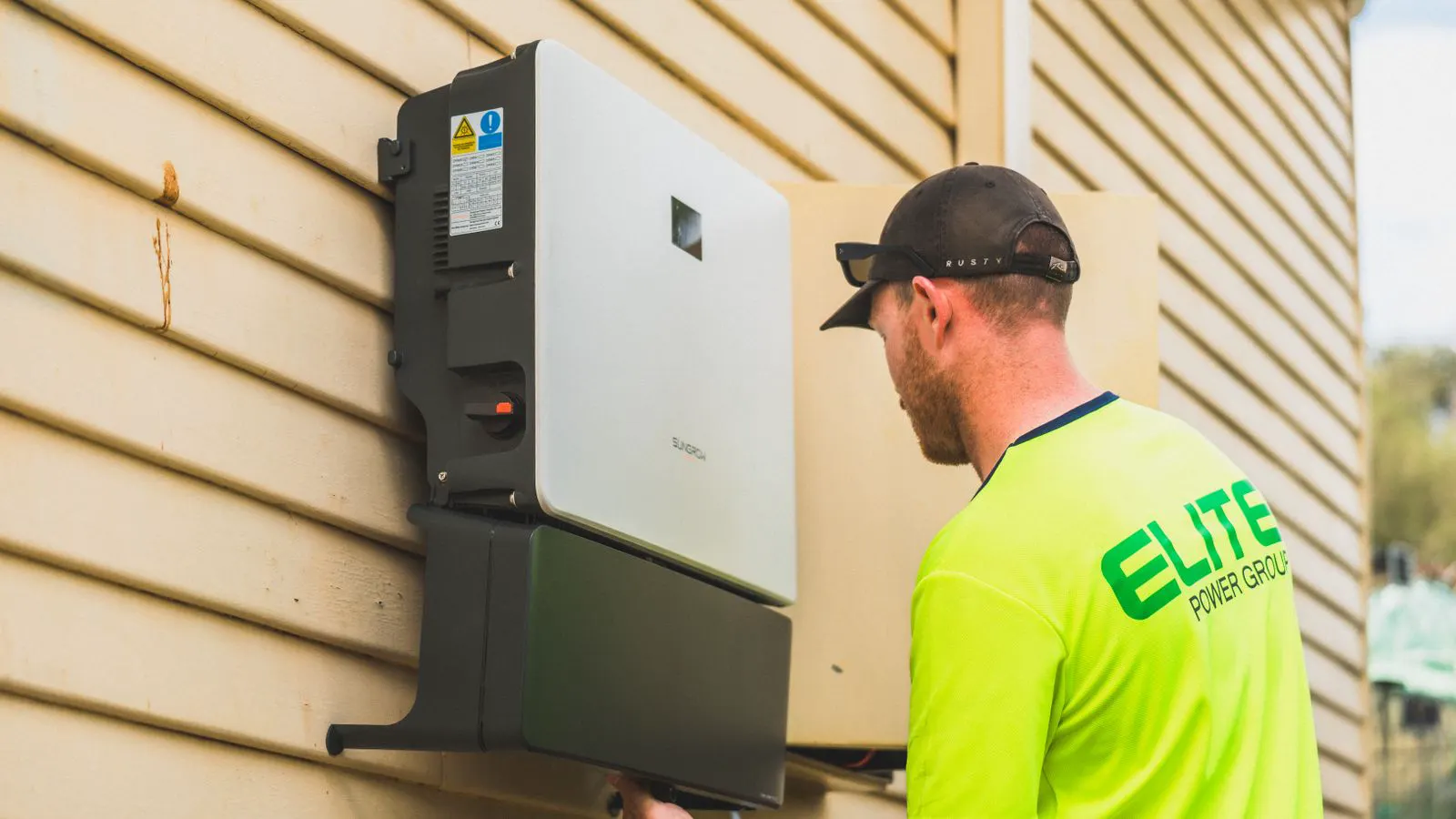
A power conversion system changes DC energy from battery cells into AC electricity for loads or the grid. It manages voltage, current, and frequency through power electronics, allowing safe and efficient energy flow.
- Power conversion systems bridge the gap between DC battery storage and AC electrical loads.
- Key design parameters include input and output voltage, switching frequency, and power factor control.
- Understanding these mechanics helps engineers select systems that match site-specific electrical constraints.
- Efficiency and thermal performance directly affect lifetime operational costs and reliability.
What is a power conversion system in energy storage
A power conversion system, often called a PCS, is the electronic interface between a battery bank and an AC electrical system. It does not store energy. It manages the flow of power by changing electrical parameters so that DC energy from cells can be used by motors, lighting, grid infrastructure, or other AC loads.
For an engineering team, the PCS is the component that determines how the battery interacts with the electrical grid. The battery provides the chemical energy storage. The PCS provides the electrical conditioning. Without a properly specified PCS, the battery cannot safely connect to a load or feed power to a utility.
The core function is conversion. Batteries operate at direct current, typically at a voltage determined by the number of cells in series. AC loads and most utility grids operate at alternating current with specific voltage and frequency standards. The PCS performs this translation using power electronics.
How DC to AC conversion works at the component level
The conversion process begins with the battery terminals. DC power enters the PCS through a DC input stage. This stage includes protection components such as fuses, contactors, and precharge resistors. These elements manage the initial energy transfer when the system starts up, preventing damaging inrush currents.
Inside the main conversion stage, power electronics perform the actual work. High-voltage semiconductor devices, such as insulated-gate bipolar transistors or wide-bandgap devices, switch DC current in a controlled pattern. This switching creates a waveform that approximates a sine wave.
The switching frequency is a critical design choice. Higher switching frequencies allow for smaller magnetic components, reducing the physical size of the inverter. However, higher frequencies can increase switching losses and electromagnetic interference. Lower frequencies reduce losses but require larger transformers or inductors.
After the switching stage, filters smooth the output. Inductors and capacitors work together to remove high-frequency harmonics created by the switching process. The goal is a clean sinusoidal output that meets grid connection standards.
The DC to AC conversion is not a simple one-way process. Most modern systems are bidirectional. They can convert AC to DC when charging the battery and DC to AC when discharging. This bidirectional capability allows the system to function for energy shifting, peak shaving, or grid support.
Key parameters that define a battery PCS
Several technical specifications define how a PCS will perform in a specific application. Engineers must align these parameters with the site’s electrical requirements.
| Parameter | Function | Sourcing Consideration |
|---|---|---|
| Rated Power | Maximum continuous power output in kilowatts or megawatts. | Must match the battery bank’s continuous discharge capability. |
| DC Input Voltage | Voltage range the PCS can accept from the battery string. | Must align with the battery system’s nominal and maximum voltage. |
| AC Output Voltage | Standard voltage level for the local grid or load. | Must match the utility connection point. |
| Power Factor | Ratio of real power to apparent power. | Critical for grid compliance and efficiency. |
| Efficiency | Percentage of input power delivered as useful AC power. | Affects lifetime energy costs and thermal load. |
The rated power is the most visible specification, but it is not the only one. The DC input voltage range is equally important. If the battery voltage drops below the minimum input threshold of the PCS, the system will disconnect. Similarly, if the battery voltage exceeds the maximum rating, the PCS may shut down for protection.
Power factor control is another major feature. Modern PCS units can operate at leading or lagging power factors and can even control reactive power. This capability allows the battery system to provide voltage support to the grid. For commercial and industrial sites, this can reduce demand charges or improve power quality.
How efficiency and thermal design affect performance
Efficiency determines how much energy is lost during conversion. Every watt that is lost as heat reduces the energy available for the load. In a battery storage project, efficiency directly impacts the return on investment.
Power electronics are not 100 percent efficient. Losses occur in the semiconductor switches, the magnetic components, and the cooling system. These losses generate heat. If the heat is not removed effectively, the temperature of the power electronics will rise.
High operating temperatures accelerate the degradation of electronic components. Capacitors, transformers, and semiconductor junctions have limited thermal lifespans. A PCS that runs hot will typically have a shorter useful life than one that maintains a stable temperature profile.
Thermal management is therefore a core engineering discipline. Passive cooling relies on natural convection and is common in smaller units. Active cooling uses fans or liquid cooling loops to remove heat more effectively. For high-power or high-temperature environments, active cooling is often necessary to maintain efficiency and reliability.
When sourcing a power conversion system, the thermal design is a key differentiator. A system with superior thermal management may have a higher upfront cost, but it can offer longer component life and better performance in harsh conditions.
How a power conversion system interacts with the grid
When a battery system connects to the utility grid, the PCS acts as a synchronized power source. It must match the grid’s frequency and phase angle before connecting. This process is known as grid synchronization.
The PCS contains a grid-tie controller that monitors the grid voltage and frequency. It adjusts the internal switching phase and amplitude to align with the grid. If the grid voltage or frequency deviates beyond acceptable limits, the PCS will disconnect to protect both the system and the grid.
Grid codes vary by region and utility. They define limits on voltage, frequency, power factor, and reactive power. A compliant PCS must be capable of meeting these dynamic requirements. For example, some grid codes require the system to provide reactive power support during voltage sags or swells.
For off-grid or microgrid applications, the PCS operates in a different mode. In this case, the battery system sets the grid parameters. The PCS must stabilize the frequency and voltage of the local system, which is a more complex control task than connecting to a stable utility grid.
A worked example of power conversion in a commercial facility
Consider a commercial building that installs a battery storage system for peak demand reduction. The building has a 500 kilowatt peak demand on the utility grid. The battery system is sized to provide 250 kilowatts of discharge power during the peak hour.
The battery bank consists of multiple modules, each providing a specific DC voltage. The total DC voltage of the system is designed to match the input range of the selected power conversion system. The PCS is rated for 250 kilowatts of continuous AC output.
During the peak hour, the building’s AC load reaches 500 kilowatts. The battery system discharges, and the PCS converts the DC energy from the cells into 250 kilowatts of AC power. This power is injected into the building’s AC panel. The utility meter sees only 250 kilowatts of import power, reducing the peak demand charge.
The PCS maintains a unit power factor and tracks the grid frequency. The efficiency of the conversion is high, ensuring that most of the energy from the battery reaches the load. The thermal management system keeps the internal components within their rated temperature range, ensuring the unit can deliver the full power output for the duration of the peak period.
How to evaluate PCS options for a specific project
Selecting the right power conversion system requires matching technical specifications to project requirements. Engineers should start with the electrical site data. This includes the utility connection voltage, frequency, and available fault current.
Next, define the operational profile. Will the system operate in grid-tie mode, standalone mode, or both? What are the expected duty cycles? A system that operates continuously at high power has different thermal and reliability requirements than one that operates intermittently.
Check the control capabilities. Does the project require advanced grid services, such as voltage regulation or frequency response? These features require specific firmware and hardware support in the PCS.
Finally, review the physical integration. The PCS must fit within the available space. Consider the cooling requirements, maintenance access, and noise levels. A system that is technically suitable but physically incompatible will create significant integration challenges.
The power conversion system is the heart of the battery storage installation. It translates stored chemical energy into usable electrical power. Understanding the mechanics of DC to AC conversion helps engineers and buyers make informed sourcing decisions.
Frequently asked questions
What is the main difference between a PCS and a battery inverter?
The terms are often used interchangeably, but a power conversion system is the broader technical term. It encompasses all the electronics, control systems, and protection logic required to interface a battery with an AC system.
Can a power conversion system operate without a grid connection?
Yes. Many PCS units are designed for standalone or microgrid applications. In this mode, the system provides the voltage and frequency reference for the local load instead of synchronizing to an external grid.
How does the DC voltage of a battery affect the PCS selection?
The DC voltage of the battery string must fall within the input voltage range of the PCS. If the voltage is too low, the system may shut down. If it is too high, the protection circuits will trigger to prevent damage.
What role does the power factor play in a battery storage system?
The power factor determines how effectively the system uses its apparent power capacity. A PCS with adjustable power factor can provide reactive power to the grid, which helps stabilize voltage and reduce transmission losses.
Why is thermal management critical for a power conversion system?
Heat generated by power electronics degrades component life. Effective thermal management keeps operating temperatures within safe limits, ensuring the system maintains its efficiency and reliability over its design life.